Evolution of Illusion: Houdini to Modern Magic
evolution of illusion traces how Houdini’s techniques and theatrical principles continue to echo in modern illusion, escape acts, and high-stakes stage performance.
How Houdini’s methods echo in modern illusion
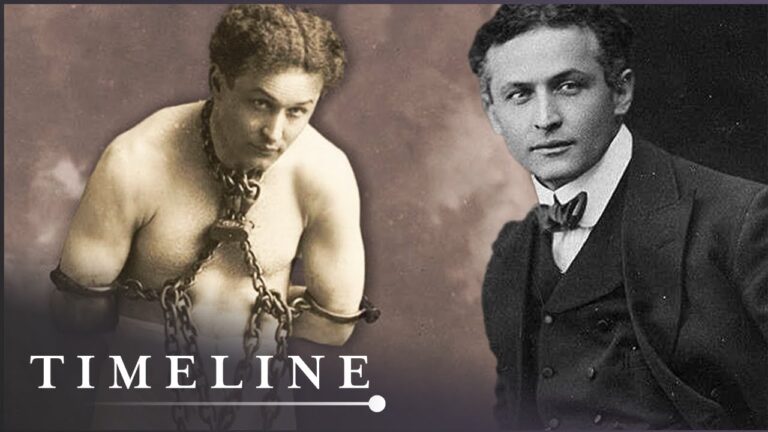
Magic has undergone a remarkable transformation since the early 1900s. Harry Houdini revolutionized stage performances by combining theatrical elements with death-defying escapes. His pioneering techniques of misdirection, physical agility, and showmanship continue to influence magicians today.
Houdini’s techniques are still shaping how modern performers create and execute their illusions. When you watch a contemporary magic show, you’ll notice traces of Houdini’s influence everywhere. His shift from traditional magic tricks to dramatic escapology changed how audiences interact with magic performances.
Modern magicians build on this foundation, using technology and psychology to create increasingly sophisticated illusions. They also maintain the core elements of suspense and wonder that Houdini mastered.
The tools and methods may have evolved, but the fundamental principles of magic remain rooted in Houdini’s innovative approach. When you see a magician escape from a locked box or make something disappear, you’re witnessing the evolution of techniques that Houdini perfected over a century ago.
Frequently asked questions about evolution of illusion
Why does evolution of illusion matter?
The evolution matters because modern magic often updates the same core tools Houdini used: attention, risk, timing, and audience belief.
Where can readers learn more?
Explore more research in Houdini Articles, related artifacts in Houdini Artifacts, and Houdini video material in Houdini Videos.