Vaudeville Impact on Houdini: Stage for Innovation
vaudeville impact on Houdini looks at how vaudeville gave Houdini the audiences, constraints, and competitive stage environment that pushed him toward innovation.
How vaudeville became Houdini’s proving ground
Harry Houdini took the stage name that would make him famous when he started his career in 1894. As a young performer, he struggled to find his place in the entertainment world. Until he discovered vaudeville’s unique platform for his talents.
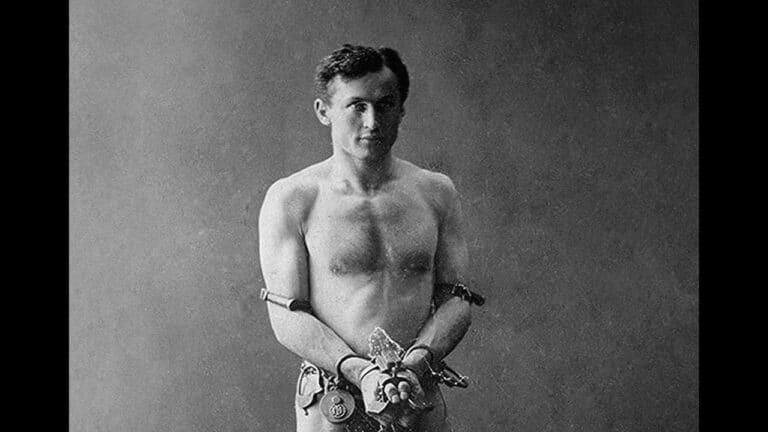
Vaudeville transformed Houdini from a struggling magician into a global sensation. It gave him the perfect stage to showcase his daring escapes and innovative performances. His breakthrough came when vaudeville theater mogul Martin Beck spotted him performing handcuff escapes in a St. Paul beer garden in 1899.
The variety stage format allowed Houdini to blend magic, physical feats, and showmanship in ways that captivated audiences. You can see this influence in how he mixed science with mystery and combined old-world magic with modern spectacle. His act stood at the intersection of entertainment and innovation, making him the perfect star for vaudeville’s golden age.
Frequently asked questions about vaudeville impact on Houdini
Why does vaudeville impact on Houdini matter?
Vaudeville mattered because Houdini had to seize attention quickly, stand out from other acts, and deliver repeatable suspense night after night.
Where can readers learn more?
Explore more research in Houdini Articles, related artifacts in Houdini Artifacts, and Houdini video material in Houdini Videos.